

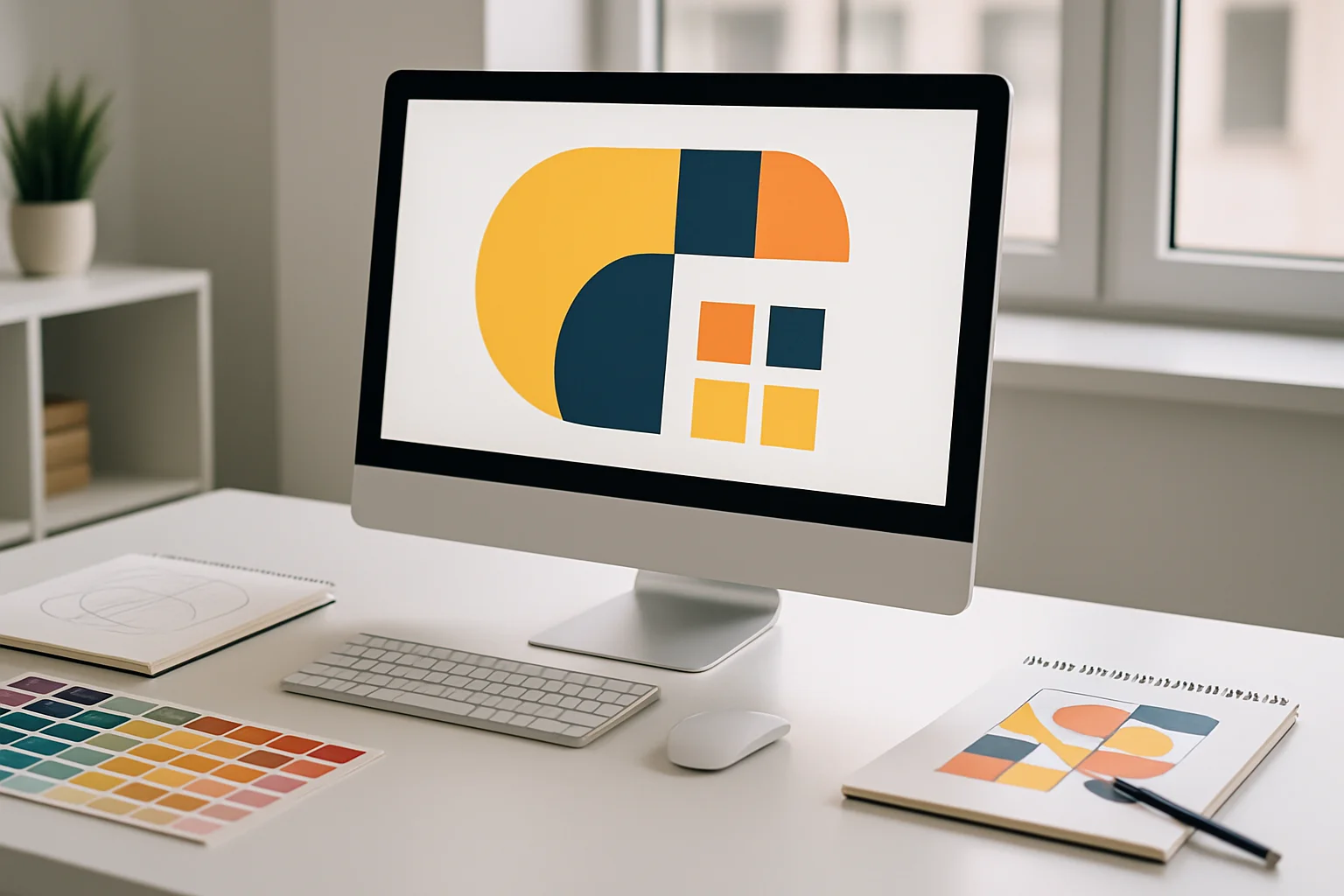
Many small business owners wonder why their marketing efforts fall flat, even when their product or service is solid. A common cause is inconsistent or generic branding graphics that fail to inspire trust or stick in customers’ minds. If your logo, colors, or social media visuals look like dozens of others, or worse, change from post to post, potential clients may hesitate to take you seriously or remember you at all.
Why Consistent Branding Graphics Matter for Small Business
Branding graphics are more than decoration. They are the visual handshake your business offers every customer, whether on your website, business card, or Instagram feed. When your graphics are cohesive and professional, they send a clear message: your business is credible and cares about details. This consistency helps customers recognize your brand quickly and trust that you deliver what you promise.
What Goes Into Strong Visual Identity Design?
Visual identity design covers all the visual elements that represent your business. This includes your logo, color palette, typography, imagery, and graphic styles. For small businesses, these elements need to work together across every touchpoint, from your website to your packaging. Here’s what to consider:
- Logo: A unique, well-designed logo should be simple, memorable, and scalable for different uses.
- Colors: Choose a palette that reflects your brand’s personality and is easy to reproduce across print and digital media.
- Typography: Select one or two fonts that are easy to read and use them consistently.
- Imagery and Icons: Use a consistent style for photos, illustrations, and icons to support your brand’s message.
How Business Logo Creation Sets the Tone
Your logo is often the first thing people notice. A professionally created logo signals that you take your business seriously. DIY logos or cheap templates may save money upfront, but they rarely capture the unique story or values of your business. Worse, they can make your brand blend in or look untrustworthy. Investing in custom logo design means your business stands out and is easier for customers to remember.
Social Media Graphic Design: The Face of Everyday Branding
Social media is where many customers first interact with small businesses. If your posts use mismatched colors, inconsistent fonts, or low-quality images, people may scroll past or question your professionalism. On the other hand, a consistent set of social media graphics, profile images, banners, post templates, helps reinforce your brand every time someone sees your content. This repetition builds recognition and makes your business look established, even if you’re just starting out.
Common Branding Mistakes Small Businesses Make
- Changing logos or colors frequently: This confuses customers and weakens recognition.
- Using low-resolution or stretched images: These look unprofessional and hurt your credibility.
- Mixing too many styles: Switching between different fonts, colors, or graphic styles makes your brand look disorganized.
- Ignoring mobile formats: Graphics that look good on desktop but not on phones can alienate a large part of your audience.
- Skipping brand guidelines: Without a clear guide, it’s easy for branding to drift over time or across platforms.
Practical Steps to Stronger Branding Graphics
- Audit Your Current Visuals: Collect all your business graphics and review them side by side. Are your logo, website, and social media visuals consistent? Does anything look out of place or outdated?
- Define Your Brand Personality: Decide on the tone and message you want your visuals to communicate. Are you friendly, professional, bold, or calm? This will guide your color and style choices.
- Invest in Professional Logo Creation: Work with a designer who can create a logo that reflects your brand’s values and is versatile for different uses.
- Build a Visual Identity Kit: Document your colors, fonts, logo usage rules, and graphic styles in a simple brand guide. This helps keep everything consistent, even as your business grows.
- Apply Consistency Across Platforms: Use your brand guide for all business graphics, from website banners to social media posts and printed materials.
- Update Social Media Graphics Regularly: Refresh your banners and post templates to match seasonal promotions, but keep core branding elements the same.
- Test and Get Feedback: Share your visuals with a small group or trusted customers. Ask if they recognize your brand and what impression your graphics give.
How to Decide If Your Business Needs a Branding Refresh
Sometimes, small businesses outgrow their original branding. If you notice any of these signs, it may be time for a refresh:
- Your logo looks dated or doesn’t work well in digital formats.
- Your visuals are inconsistent across channels.
- Customers confuse your brand with competitors.
- You’re launching new products or expanding your services.
A branding update can help reposition your business and attract new customers. It’s important to approach this carefully, as changing too much at once can also confuse your audience. Start with a clear plan and communicate changes to your customers.
Checklist: What to Review in Your Branding Graphics
- Logo: Is it clear, unique, and scalable?
- Color Palette: Are your colors consistent and accessible?
- Typography: Are your fonts readable and used the same way everywhere?
- Social Media Graphics: Do your posts, banners, and profile images match your brand?
- Website Graphics: Do your website visuals align with your social and print materials?
- Brand Guidelines: Do you have a document that covers all of the above?
Choosing the Right Graphic Design Partner
Selecting a graphic design agency or freelancer is a key decision. Ask for examples of their work with other small businesses. Look for designers who understand your industry and can translate your brand values into visuals. Communication is important, make sure you can explain your goals and get clear timelines and deliverables.
For small businesses, it may be tempting to use free online tools or cheap logo generators. While these can be useful for brainstorming, they rarely deliver the unique, polished look that builds real trust. A professional designer will help you avoid common pitfalls and create graphics that work across all platforms.
Maintaining Your Visual Identity as You Grow
As your business expands, your branding graphics may need to evolve. Keep your brand guidelines up to date and review your visuals regularly. Train your team or partners on how to use your graphics correctly. Consistency over time is what builds lasting recognition and trust.
Conclusion
Strong branding graphics for small business are not just about looking good, they directly influence how customers perceive your business and whether they remember you. Investing in visual identity design, business logo creation, and consistent social media graphic design helps your business earn trust and stand out. If you’re ready to refresh your branding or need help with business graphics, consider reaching out to WebVerse Solution for support with your next project.
See how our graphic design services can help your brand.
FAQs
Why are branding graphics important for small businesses?
Branding graphics help establish trust and make your business memorable. Consistent visuals show professionalism and help customers recognize your business across different platforms.
What should a small business include in its visual identity design?
A strong visual identity should include a unique logo, a clear color palette, consistent fonts, and guidelines for imagery and graphic styles. These elements should be used across all business materials.
How often should a small business update its branding graphics?
Branding graphics should be reviewed regularly. Updates are needed if your visuals look outdated, inconsistent, or if your business is expanding or changing direction.
Can professional branding graphics help with social media marketing?
Yes, professional graphics make your social media posts more recognizable and engaging. Consistent branding helps build trust and encourages customers to interact with your content.