

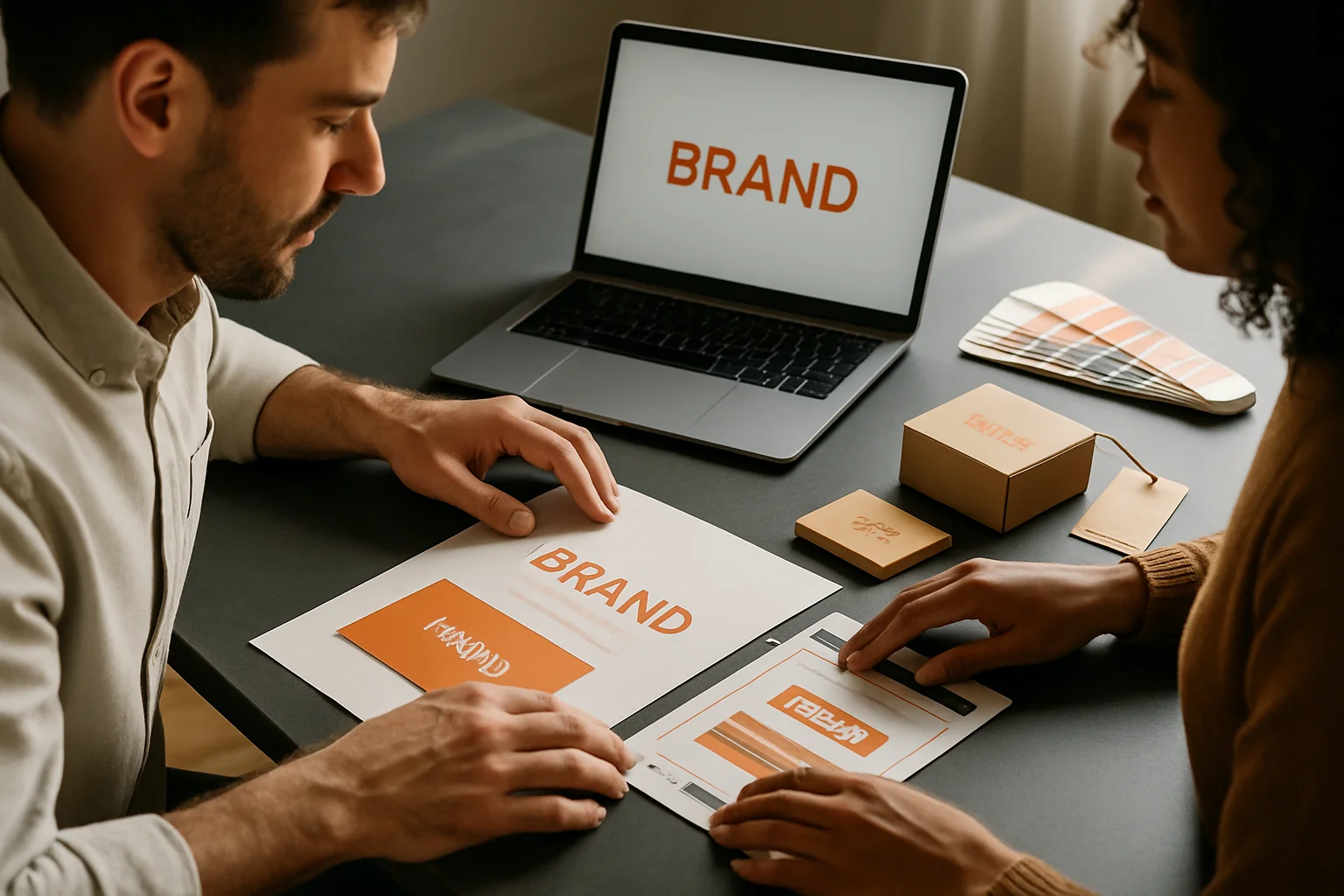
Ever handed out a business card that looks nothing like your website, or posted social media graphics that don’t match your brochures? This disconnect can confuse customers and make your business look less credible. Consistency in brand experience graphic design is not just about looking polished, it’s about building trust and recognition at every touchpoint, whether online or in print.
Why Consistency Matters in Brand Experience
Your audience forms opinions about your business in seconds. If your digital branding (like your website and social media) feels disconnected from your print materials (like business cards, flyers, or packaging), it can signal a lack of attention to detail. This can lead to missed opportunities and lost sales. Consistent business branding graphics help customers recognize your brand instantly, whether they see it on a screen or in their hands.
What Makes a Cohesive Visual Identity for Small Business?
A strong visual identity is more than a logo. It’s a system of colors, fonts, imagery, icons, and layouts that work together across every platform. For small businesses, this system helps you look established and reliable, even if you’re just starting out. Key elements include:
- Logo: A versatile logo that works in color and black-and-white, and at various sizes.
- Color palette: A defined set of brand colors, used consistently in print and digital materials.
- Typography: Chosen fonts for headlines, body text, and accents, applied across all platforms.
- Imagery style: Guidelines for photography, illustration, and iconography.
- Brand voice: The tone and style of your written content, which should match your visuals.
Common Mistakes That Break Brand Consistency
Many small businesses fall into the trap of treating each marketing channel as a separate project. Here are some missteps to watch for:
- Using different logos or color shades for digital and print.
- Switching fonts between your website, social media, and printed materials.
- Allowing each designer or marketing team to interpret your brand differently.
- Neglecting to update older materials when you refresh your branding.
- Ordering print items from different vendors without clear brand guidelines.
These mistakes can make your business appear fragmented and less professional. Customers may wonder if they’re dealing with the same company from one channel to another.
How to Build Consistent Business Branding Graphics
To avoid these pitfalls, take a strategic approach to your brand experience graphic design. Here’s a practical process:
1. Audit Your Current Branding
Gather all your branded materials, website screenshots, social media posts, business cards, brochures, packaging, uniforms, signage. Lay them out side by side. Ask yourself:
- Do the colors match across all items?
- Are the same logos and icons used everywhere?
- Is the font consistent?
- Does the photography or illustration style feel unified?
Identify any outliers or inconsistencies. These are your starting points for improvement.
2. Develop or Refine Your Brand Guidelines
Brand guidelines are the rulebook for your business’s visual identity. Even a simple one-page guide can make a difference. Include:
- Approved logos and how to use them
- Brand color codes (CMYK for print, RGB/HEX for digital)
- Font names and usage instructions
- Examples of imagery and icon styles
- Do’s and don’ts for layout and spacing
Share these guidelines with anyone creating materials for your business, from freelancers to printers.
3. Use Professional Graphic Design Tools and Templates
Templates are a practical way to keep your branding consistent. Create master templates for:
- Social media posts
- Email signatures
- Letterheads and invoices
- Business cards and flyers
- Presentation slides
Professional designers can set up these templates in tools like Adobe Creative Suite, Canva, or Figma. This saves time and reduces the risk of off-brand materials.
4. Coordinate Digital and Print Branding Consistency
Colors and images can look different on screens versus on paper. To keep your brand experience unified:
- Use color profiles suited for each medium (CMYK for print, RGB for digital).
- Test print samples before large orders to check color accuracy.
- Provide printers with vector logo files for sharp results.
- Review digital graphics on various devices for consistency.
Work with designers who understand both print and digital requirements. Small misalignments in color or layout can undermine your brand’s credibility.
Practical Steps for Small Business Owners
Building a cohesive brand experience graphic design process doesn’t require a huge budget, but it does require attention to detail and a willingness to standardize. Here’s how to get started:
- Set clear brand goals. Decide what you want your business to be known for and how you want customers to feel when they see your brand.
- Invest in a professional logo and color palette. A well-designed logo and defined colors set the tone for everything else.
- Create a simple brand guide. Even a one-page PDF with logo, colors, and fonts can keep everyone on track.
- Standardize templates for recurring materials. This includes business cards, social media graphics, and letterheads.
- Review all new materials before publishing or printing. Check for consistency in color, font, and style.
- Update old materials as you refresh your branding. Don’t let outdated designs linger in circulation.
Brand Experience Graphic Design in Action: A Realistic Example
Consider a local bakery that updates its logo and color scheme. The owner creates new business cards, updates the website, and posts fresh graphics on Instagram. But the bakery’s flyers and packaging still use the old logo and colors. Customers notice the mismatch, and some wonder if the bakery has changed ownership.
By aligning all materials, cards, packaging, signs, website, and social posts, with the updated branding, the bakery presents a unified front. Customers recognize the business instantly, whether they’re scrolling online or picking up a pastry. This builds confidence and makes the brand memorable.
How Professional Graphic Designers Help
Experienced graphic designers understand the nuances of both digital and print branding consistency. They can:
- Translate your brand identity into adaptable graphics for every channel.
- Build templates that work for both online and offline use.
- Advise on color and typography choices that reproduce well everywhere.
- Spot inconsistencies you might miss and suggest improvements.
For small businesses, working with a professional means fewer headaches and a stronger, more credible presence in every customer interaction.
What to Ask Before Hiring a Graphic Designer
Before you choose a designer or agency, ask these practical questions:
- Can you provide examples of consistent branding across digital and print?
- How do you handle color matching for print versus digital?
- Will you supply editable templates for future use?
- What file formats will I receive?
- Do you offer ongoing support for future materials?
Clear answers will help you avoid miscommunication and ensure your brand stays consistent as your business grows.
Checklist: Keeping Your Brand Experience Consistent
- All materials use the latest logo and colors
- Fonts match across website, social media, and print
- Imagery style is unified (photos, icons, illustrations)
- Templates are available for recurring needs
- Brand guidelines are shared with all vendors and team members
- Old materials are updated or retired
- Print samples are reviewed before large orders
- Digital graphics are checked on multiple devices
Conclusion: Consistency Builds Trust
Every time a customer interacts with your business, they should feel confident they’re dealing with the same company, whether they see your logo on a website, a flyer, or a delivery box. Consistent brand experience graphic design is the foundation for trust and recognition. If you want expert help creating a unified visual identity, WebVerse Solution offers professional graphic design services for branding, logos, and business graphics that work seamlessly across digital and print.
Ready to unify your brand presence? See how our graphic design services can help.
FAQs
What is brand experience graphic design?
Brand experience graphic design is the process of creating visual elements that deliver a unified brand impression across all digital and print touchpoints, including logos, colors, and business graphics.
Why does digital and print branding consistency matter?
Consistency helps customers recognize your business instantly, builds trust, and prevents confusion. It also ensures your brand looks professional and reliable in every interaction.
How can small businesses maintain a cohesive visual identity?
Small businesses should use brand guidelines, standardized templates, and consistent colors, fonts, and imagery across all materials. Regularly reviewing and updating older materials also helps maintain unity.
What should be included in a brand guideline document?
A brand guideline should include approved logos, color palettes, typography, imagery style, and instructions for usage across digital and print channels.